
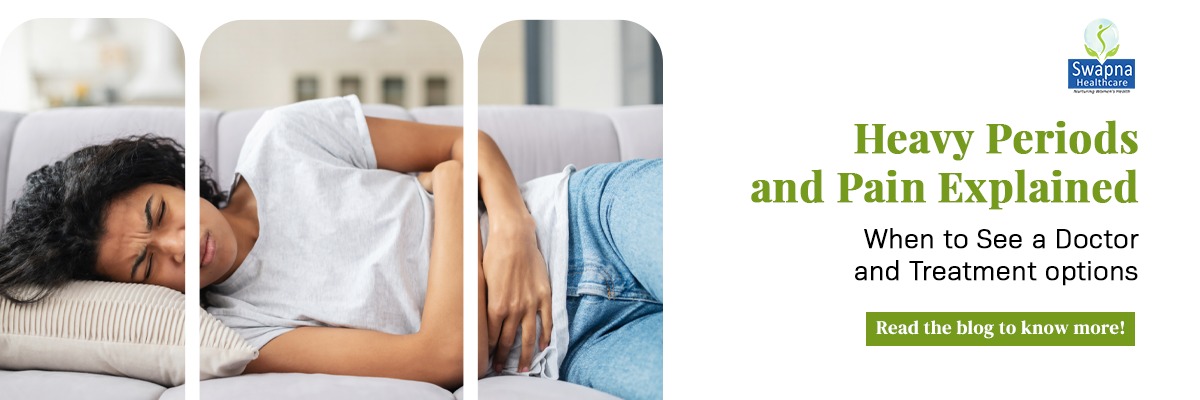
Menstrual cycles are a natural part of a woman’s health, but when periods become unusually heavy or painful, they can disrupt daily life and signal underlying concerns. While mild discomfort is common, excessive bleeding and severe cramps should not be ignored. Understanding the causes, recognizing warning signs, and knowing when to seek help can make a significant difference in long-term health.
If you’ve ever wondered about how to deal with painful periods and cramps or when to explore heavy periods treatment in Hyderabad, this guide will help you make informed decisions.
What Are Considered Heavy or Painful Periods?
Heavy periods, medically known as Menorrhagia, involve excessive menstrual blood loss that interferes with physical, emotional, and social well-being. Signs include:
Painful periods, or Dysmenorrhea, are characterized by intense cramps in the lower abdomen, often accompanied by back pain, nausea, or headaches.
There are several underlying reasons why periods may become heavier or more painful over time:
Fluctuations in estrogen and progesterone can lead to a thicker uterine lining, resulting in heavier bleeding.
These conditions can cause both heavy bleeding and intense pain.
Endometriosis is a common cause of severe menstrual cramps and chronic pelvic pain.
Polycystic Ovary Syndrome can disrupt ovulation, leading to irregular and sometimes heavy periods.
Stress, poor diet, lack of exercise, and sudden weight changes can also affect menstrual health.
When Should You See a Doctor?
Many women tend to normalize menstrual pain, but certain symptoms should prompt medical attention. You should consult a gynecologist if you experience:
If you’re unsure when to see a doctor for abnormal period pain, the rule is simple: if your period is affecting your quality of life, it’s time to seek help.
To identify the root cause, doctors may suggest a combination of the following:
Early diagnosis not only provides clarity but also helps prevent complications.
Alongside medical treatments, certain lifestyle adjustments can significantly improve menstrual health:
These small but consistent changes can make periods more manageable over time.
Menstrual health is not just about managing symptoms, it’s about understanding your body and maintaining overall well-being. Keeping track of your cycle, noting changes, and having regular gynecological check-ups can help detect issues early.
Ignoring symptoms or relying solely on home remedies may delay proper treatment. Instead, combining medical guidance with healthy lifestyle choices ensures better long-term outcomes.
In conclusion, heavy bleeding and painful periods are not something you have to “just live with.” Whether it’s occasional discomfort or a persistent issue, paying attention to your body’s signals is crucial.
Knowing how to deal with painful periods and cramps, recognizing warning signs, and seeking the right heavy periods treatment in Hyderabad can help you regain control over your health and daily life.
If something feels off, trust your instincts and consult a specialist, because your comfort, health, and quality of life matter.
